Professional USB microscope · Environment
Portable USB Microscope for Environmental Samples
Visual screening and education workflow for water particles, soil texture, plant surfaces, and field documentation.
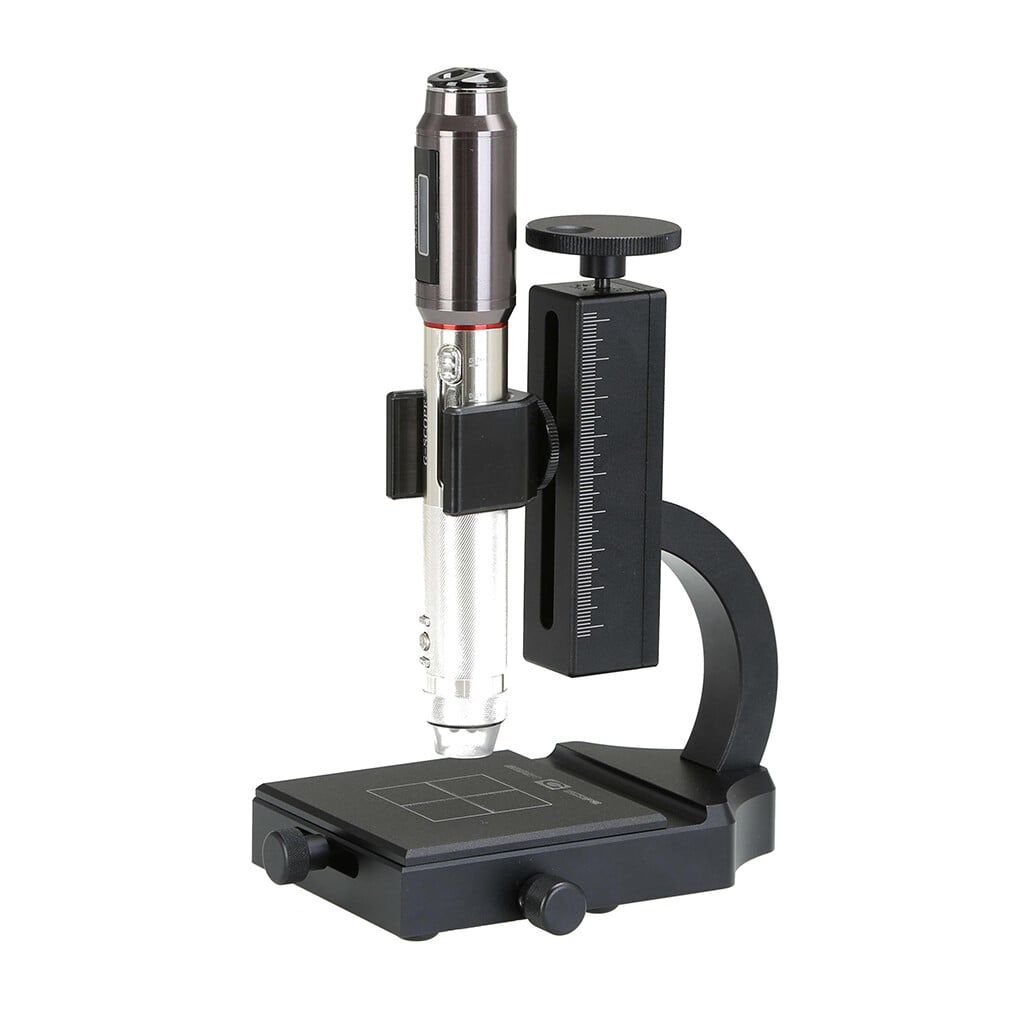
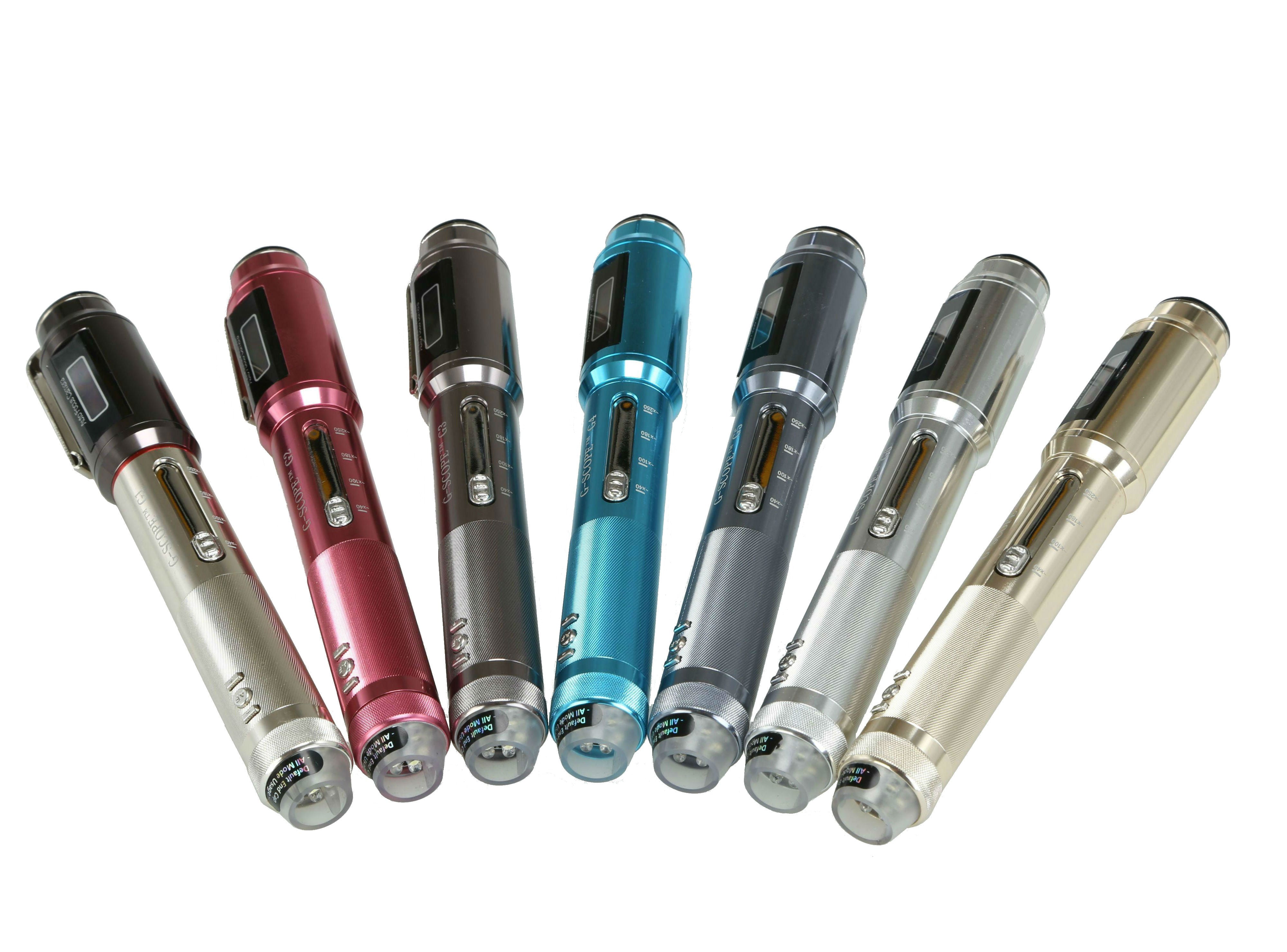
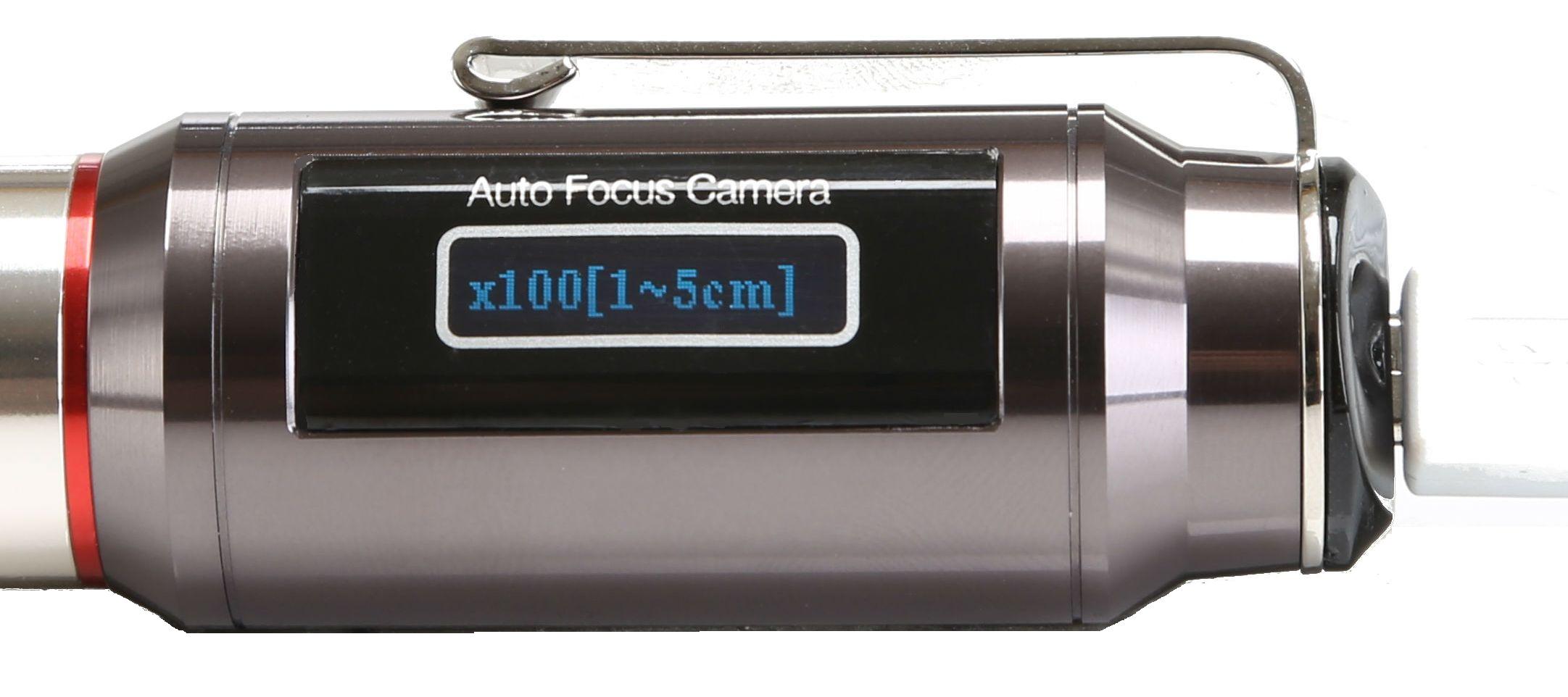
- Four quick magnification levels40x, 100x, 180x and 250x with the general inspection end-cap
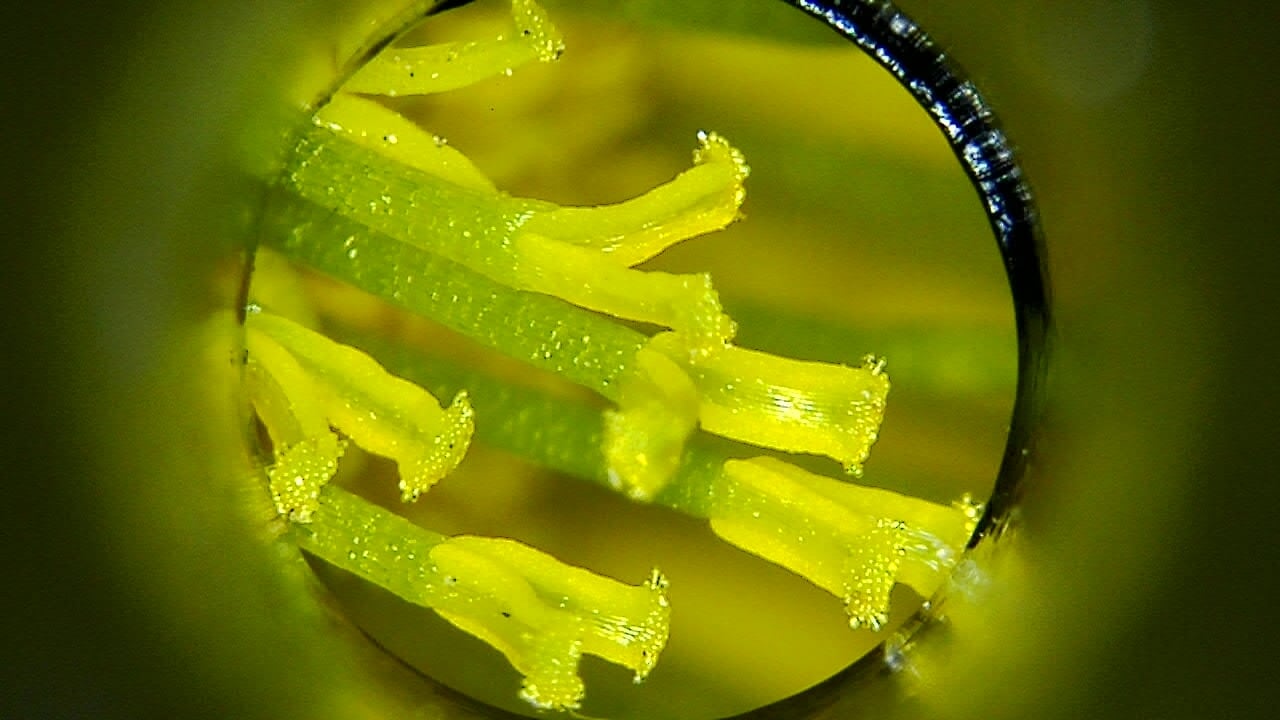
- 3Pi narrow-tip end-cap100x access to small or recessed areas that remain in direct line of sight
- Quality optics, autofocus + Full HDCorning® Varioptic® liquid lens, photos and 30fps video
- Professional European supportShips from Spain with a two-year warranty
Overview
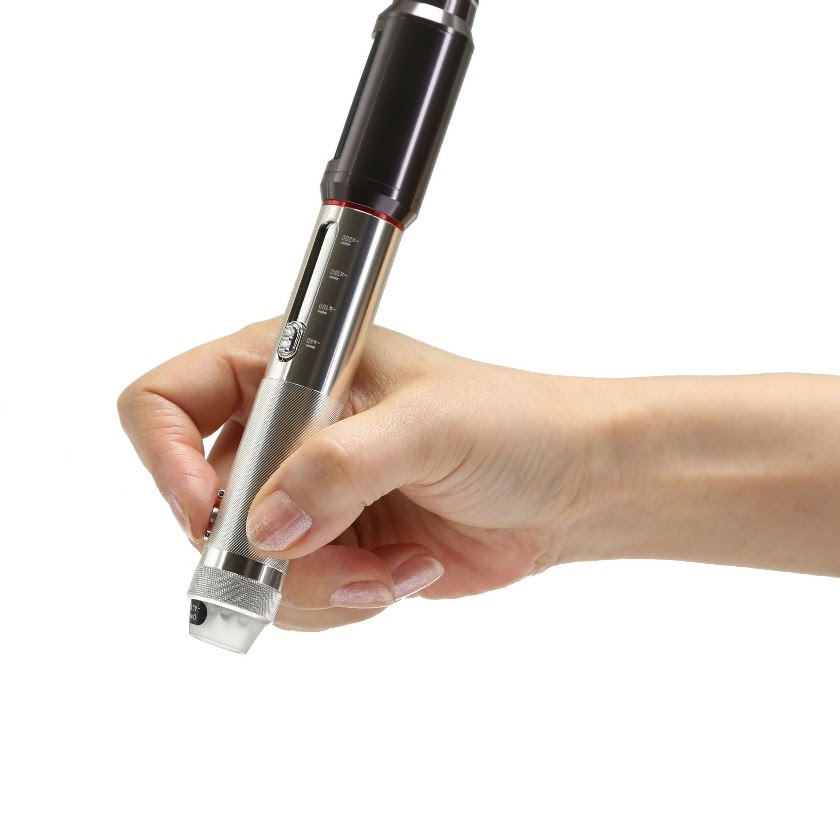
Smart G-Scope helps observe particles, plant structures, and environmental samples with a fast workflow: connect, focus, and document.
It is useful in educational and lab projects to introduce visual sample analysis, and also in fieldwork with a laptop or compatible Android device.
It enables image capture for reports and tracking changes over time.
Recommended Smart G-Scope setup
- Use slides, filters, or shallow sample holders when observing water or particles.
- Use bottom or side lighting where transparent or reflective samples need more contrast.
- Label images with sample location, date, and preparation method.
What you can observe
- Visible particles in water samples, sediments, and filter residues.
- Soil grains, organic matter, roots, and surface structures.
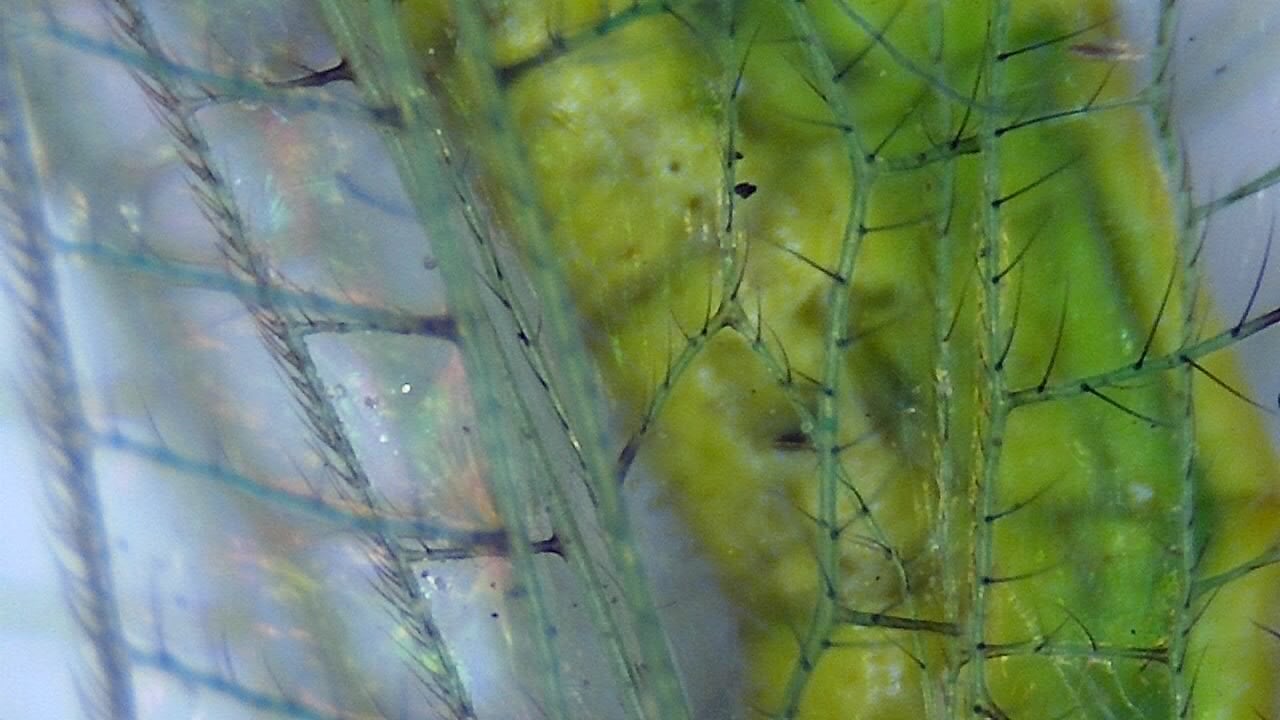
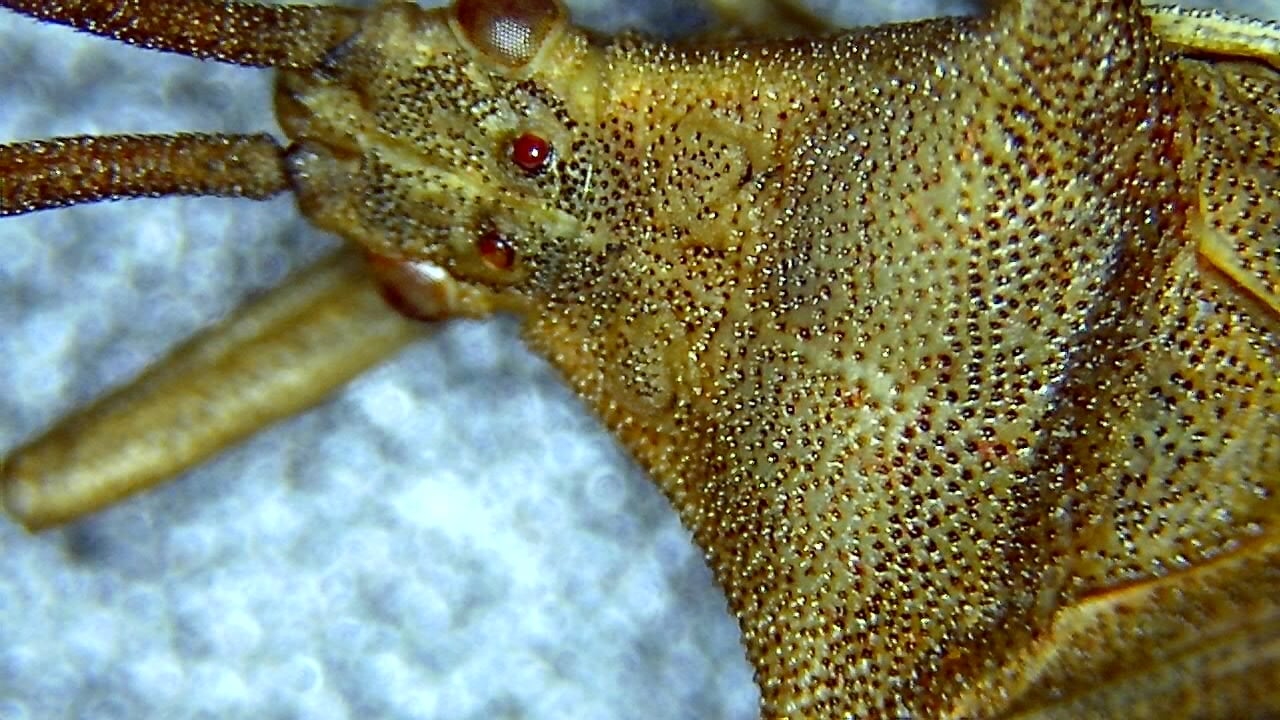
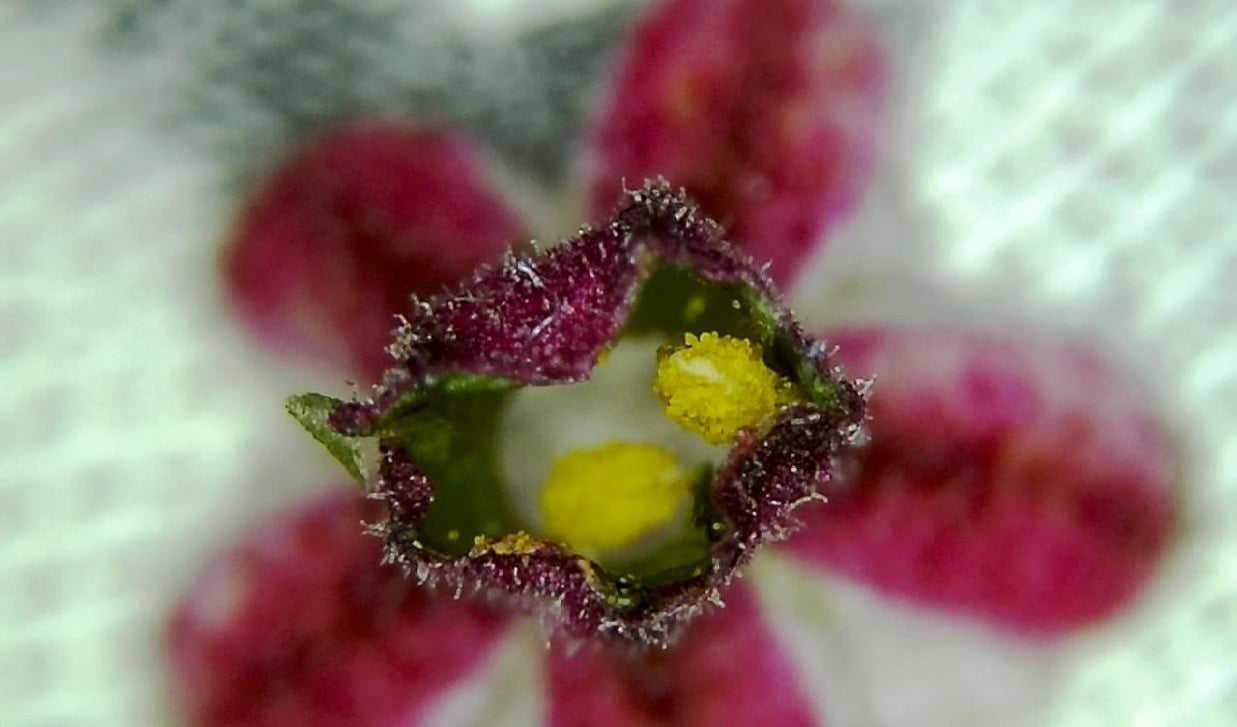
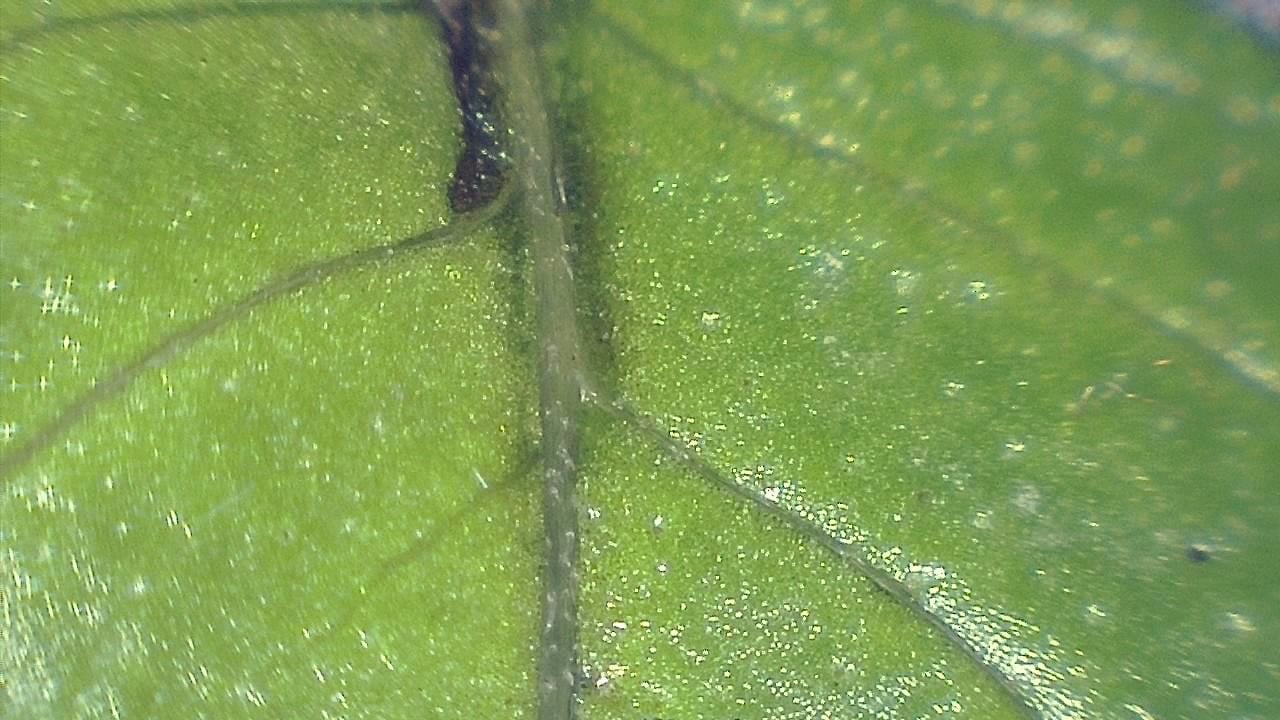
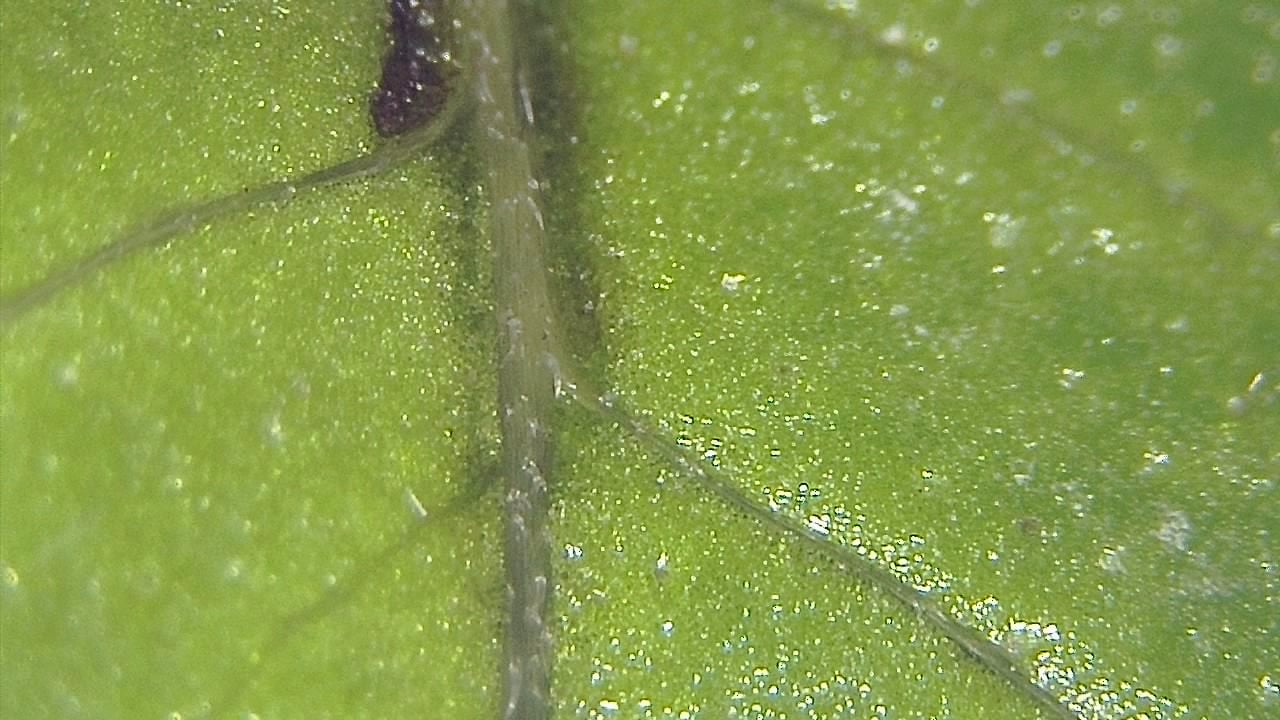
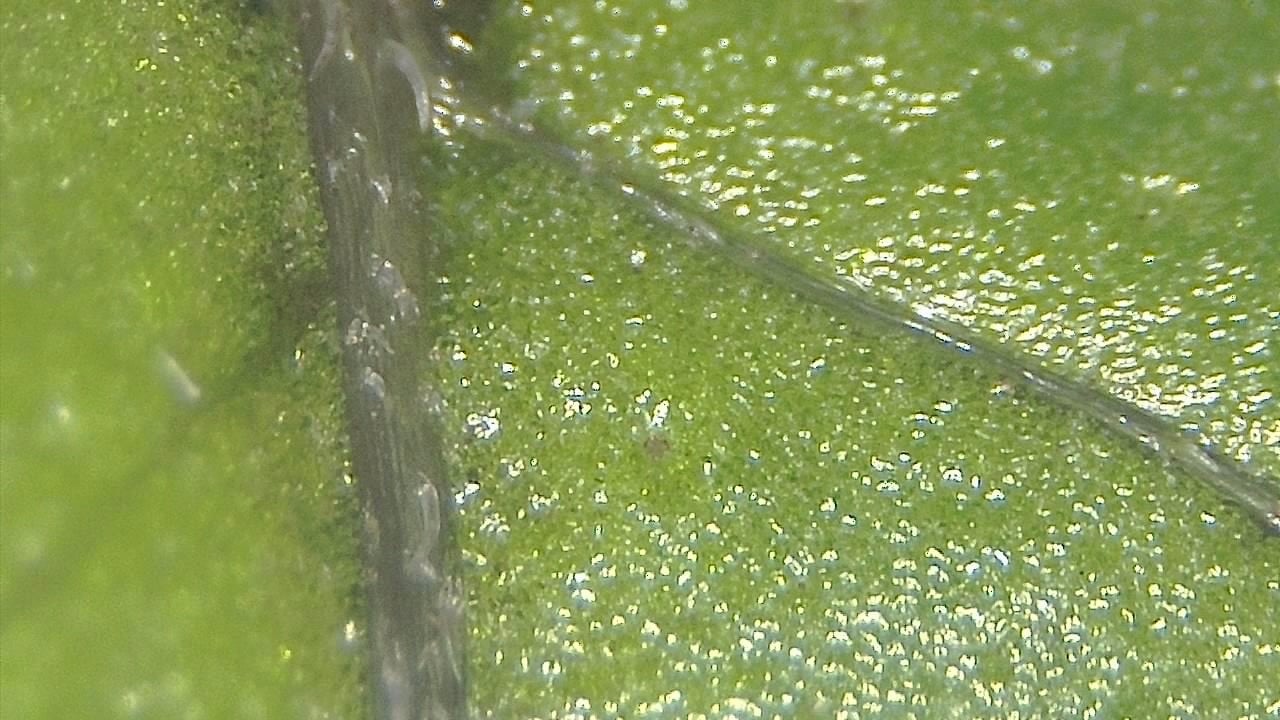
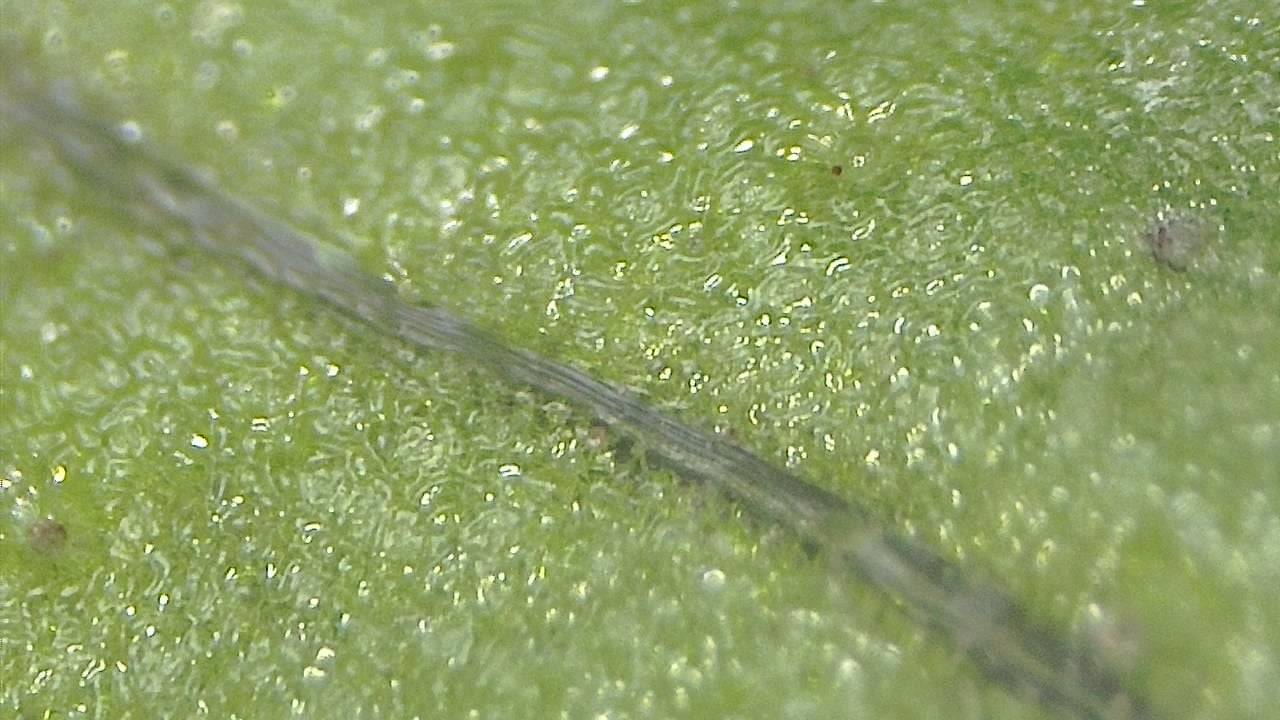
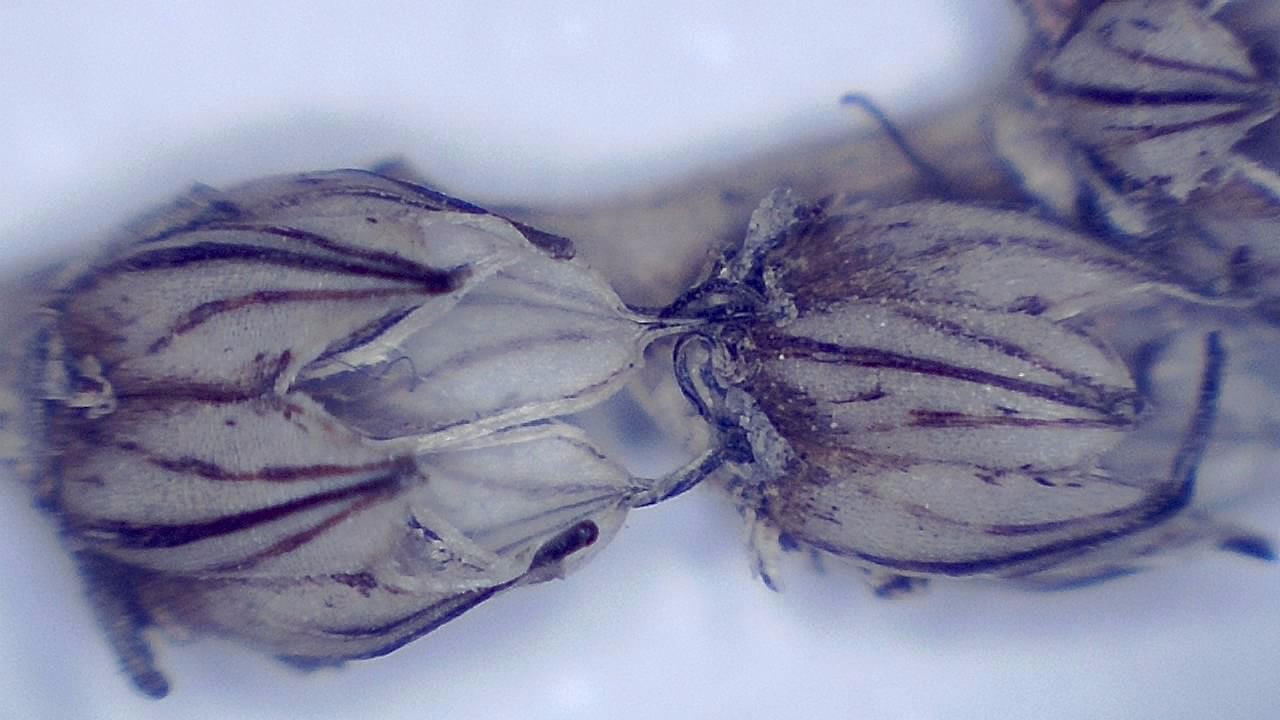
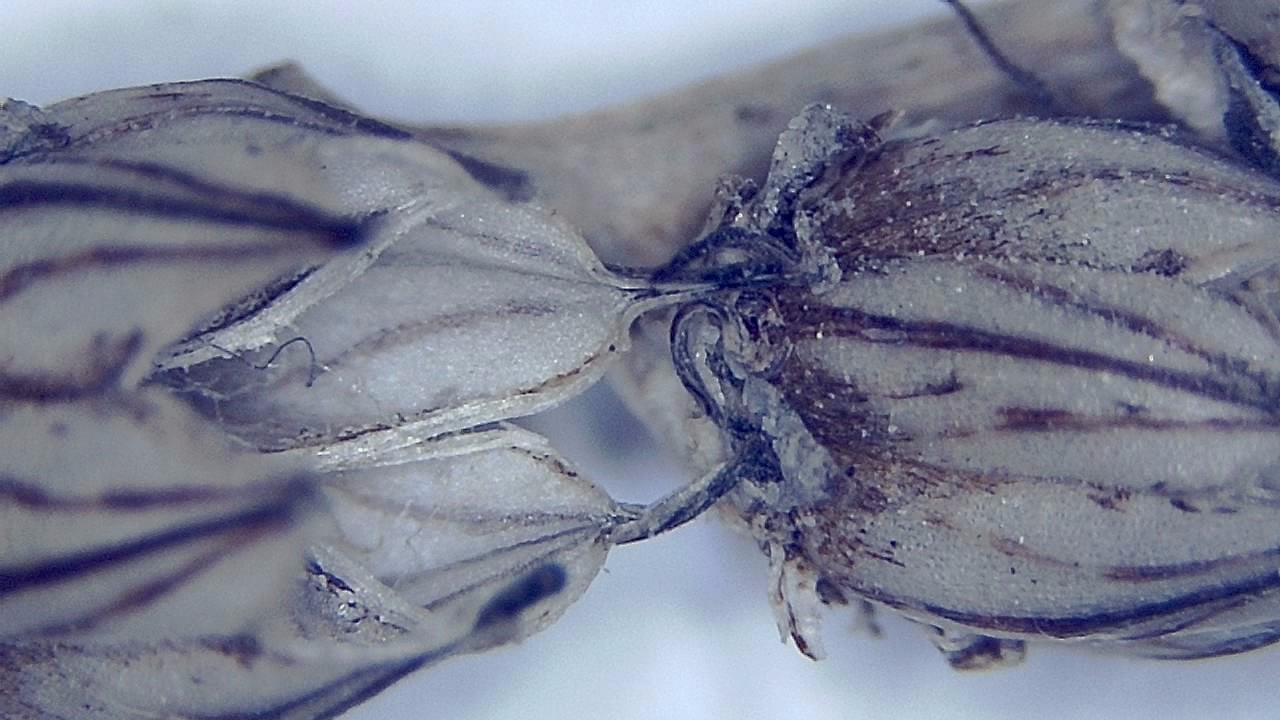
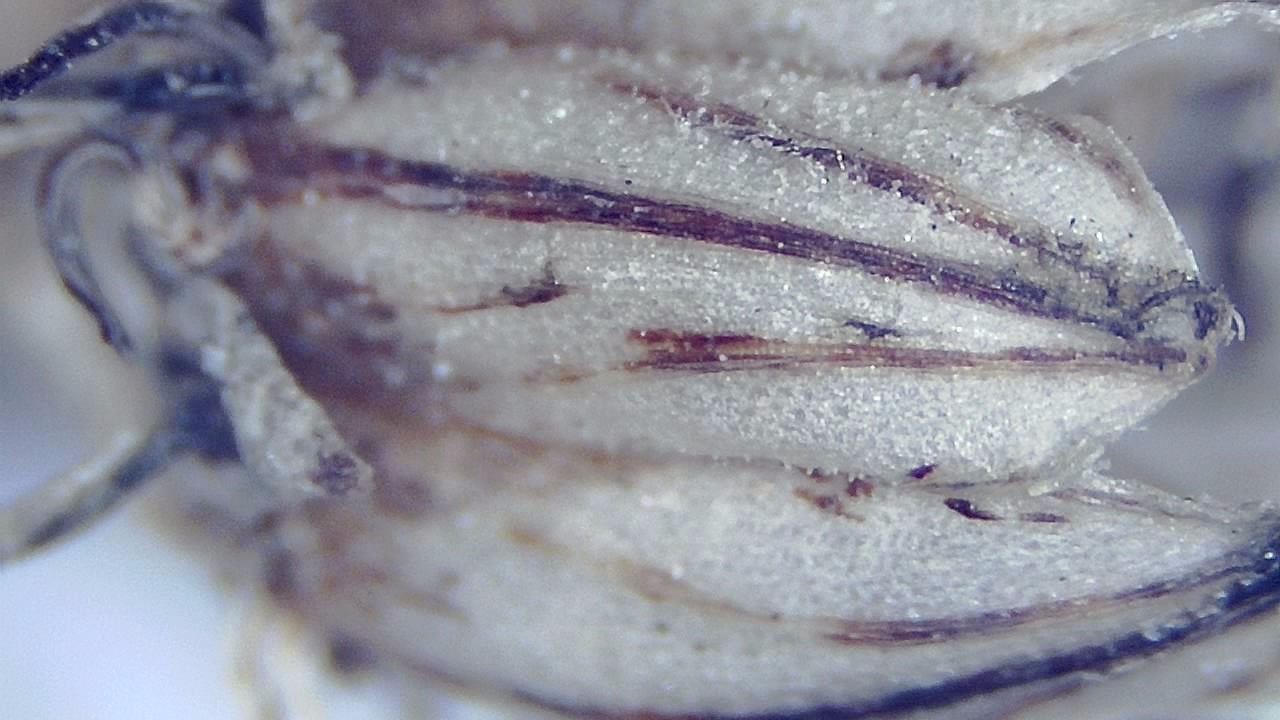
- Leaf surfaces, plant damage, small pests, and environmental teaching samples.
Typical workflow
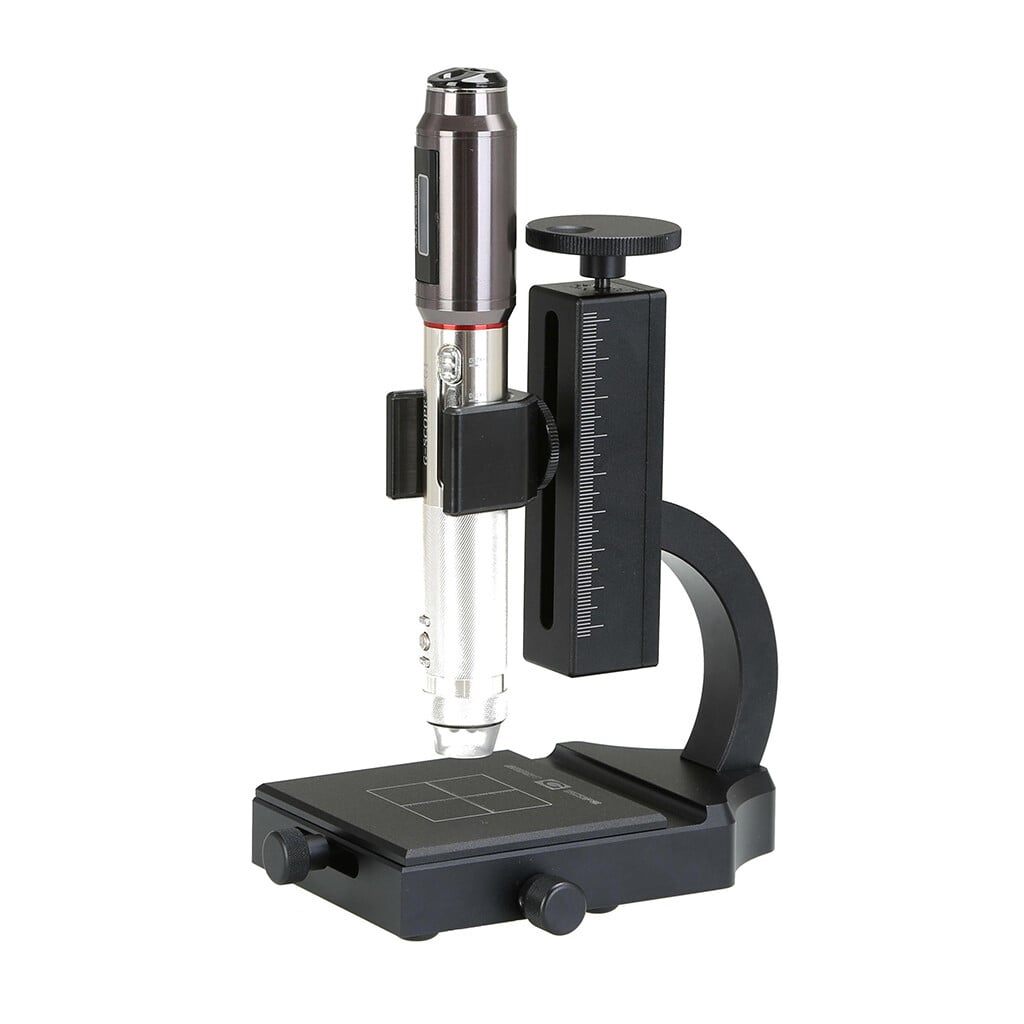
- 1Prepare the sample in a stable holder or on a suitable surface.
- 2Adjust lighting to increase contrast without overexposing reflective material.
- 3Capture images and record sample context for reports or education.
Key benefits
- Portable tool for field and lab work
- Photo documentation for reports
- Easy to use in environmental education
- Multi-device compatibility via UVC
Best for
- Environmental education, field notes, basic visual screening, and citizen-science documentation.
Not ideal for
- Full laboratory identification of microorganisms, pollutants, or hazardous materials.
Image gallery
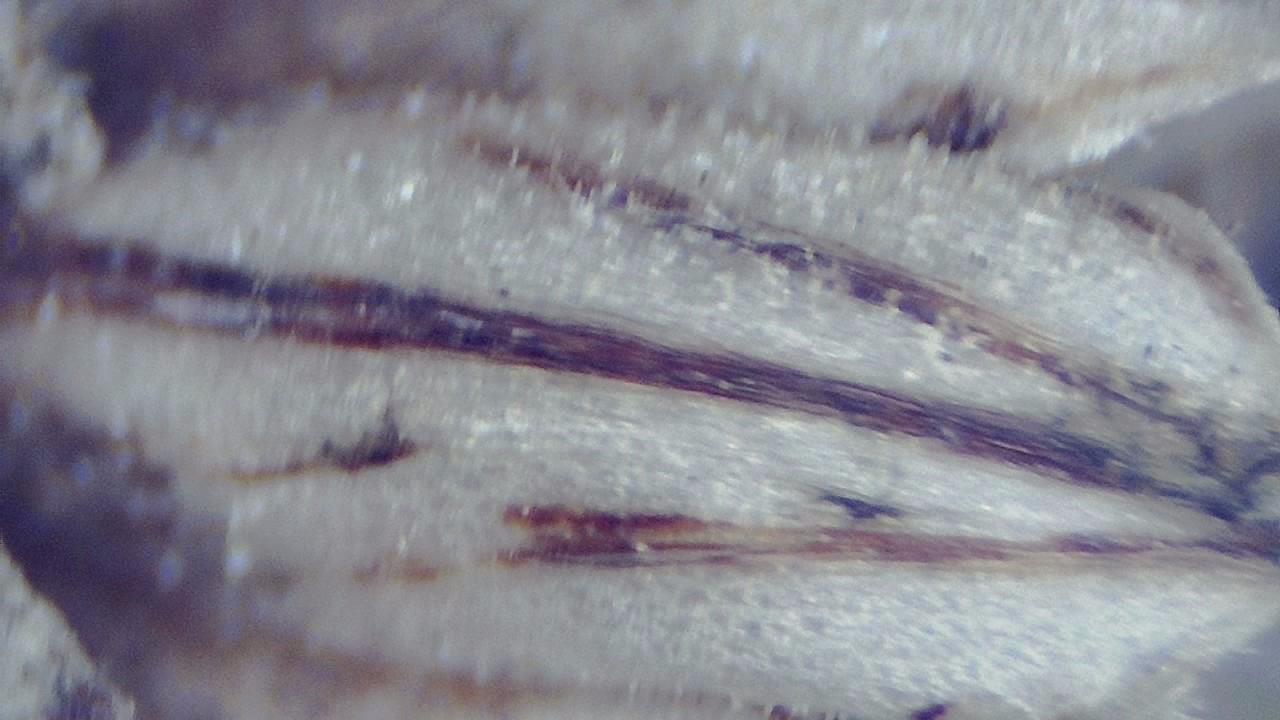
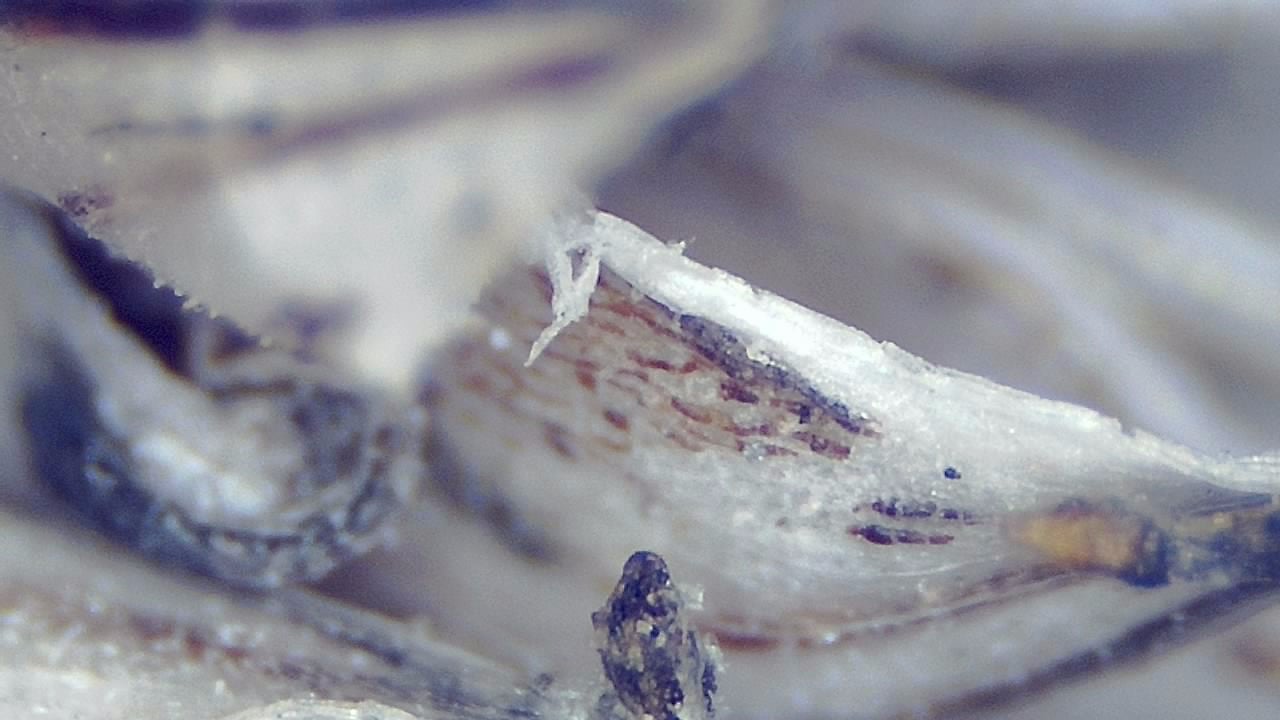
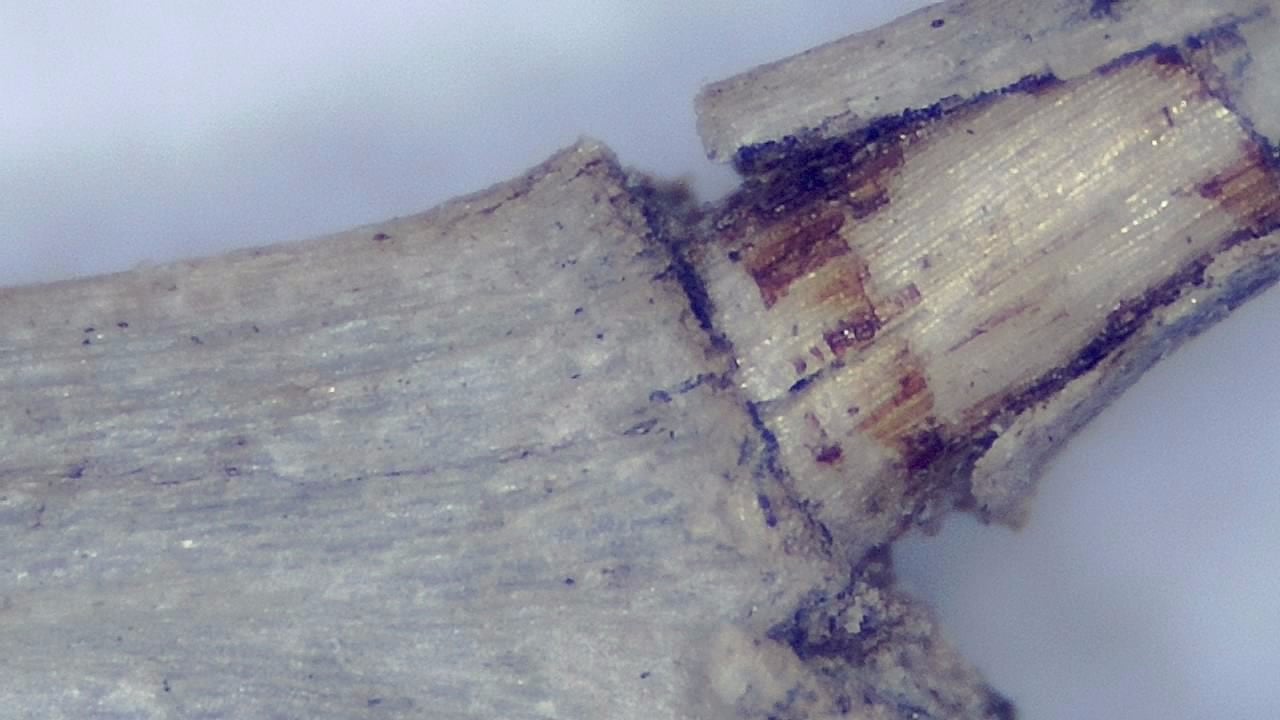
Click any image to enlarge
Practical examples
Particle analysis in water
Document sediments and visible suspected particles on filters or in prepared samples; material identification requires suitable analytical methods.
Soil studies
Examine texture, grains, organic matter, and small structures in soil samples.
Plant samples
Observe leaf and stem structures, small pests, or surface damage.
Limitations & best practices
- It does not replace specialized microbiological analysis for identifying pathogenic microorganisms.
- For liquid samples, proper preparation (slides/cuvettes) and lighting control are recommended.
Frequently asked questions
Can Smart G-Scope analyze water samples?
It can help visually document particles, sediments, and prepared samples. It is not a full microbiological or chemical analysis system.