Professional USB microscope · Restoration
Portable USB Microscope for Restoration and Conservation
Non-invasive visual documentation of surface condition, craquelure, fibers, coatings, and before/after restoration work.
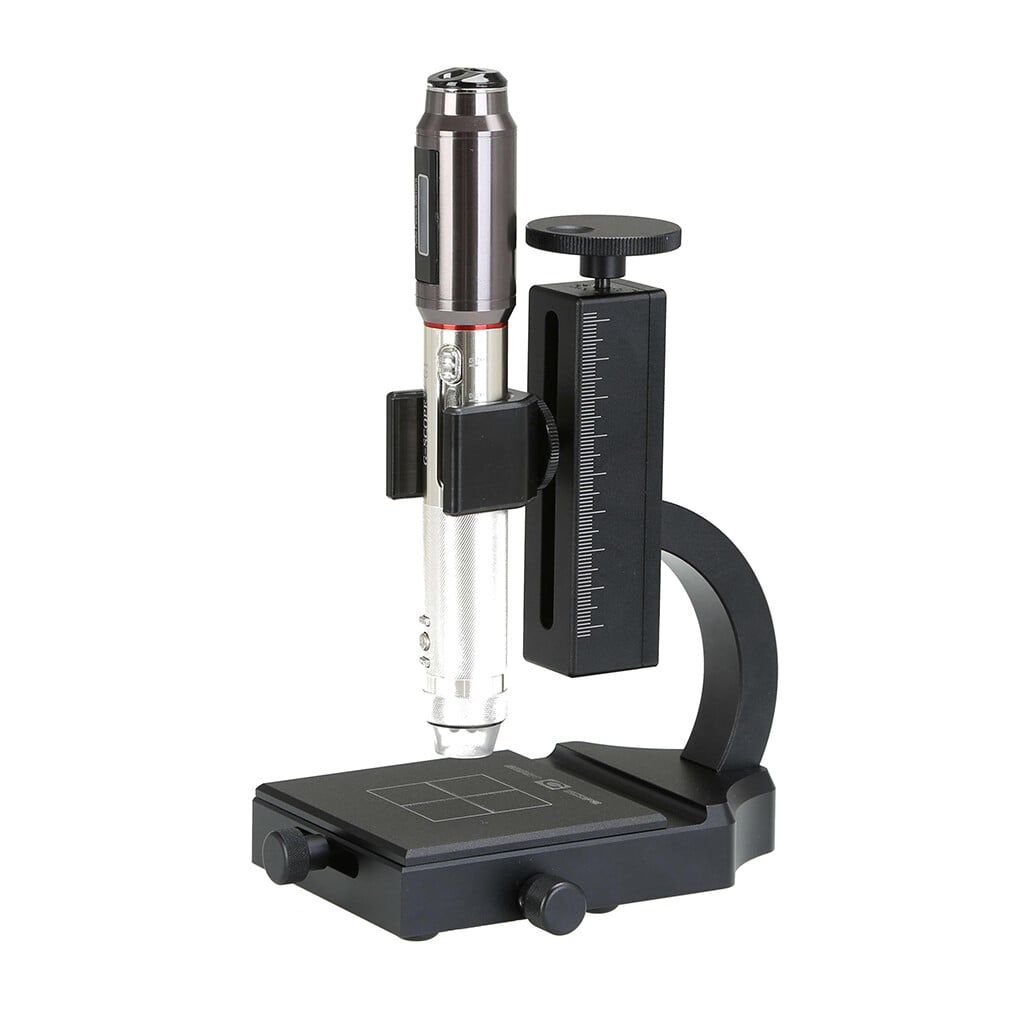
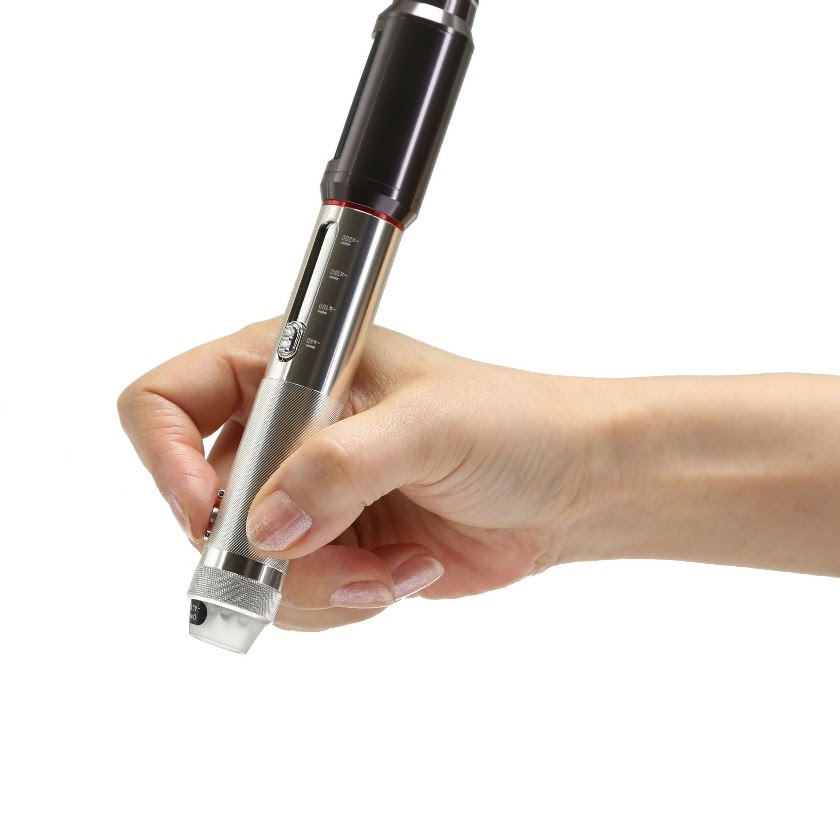
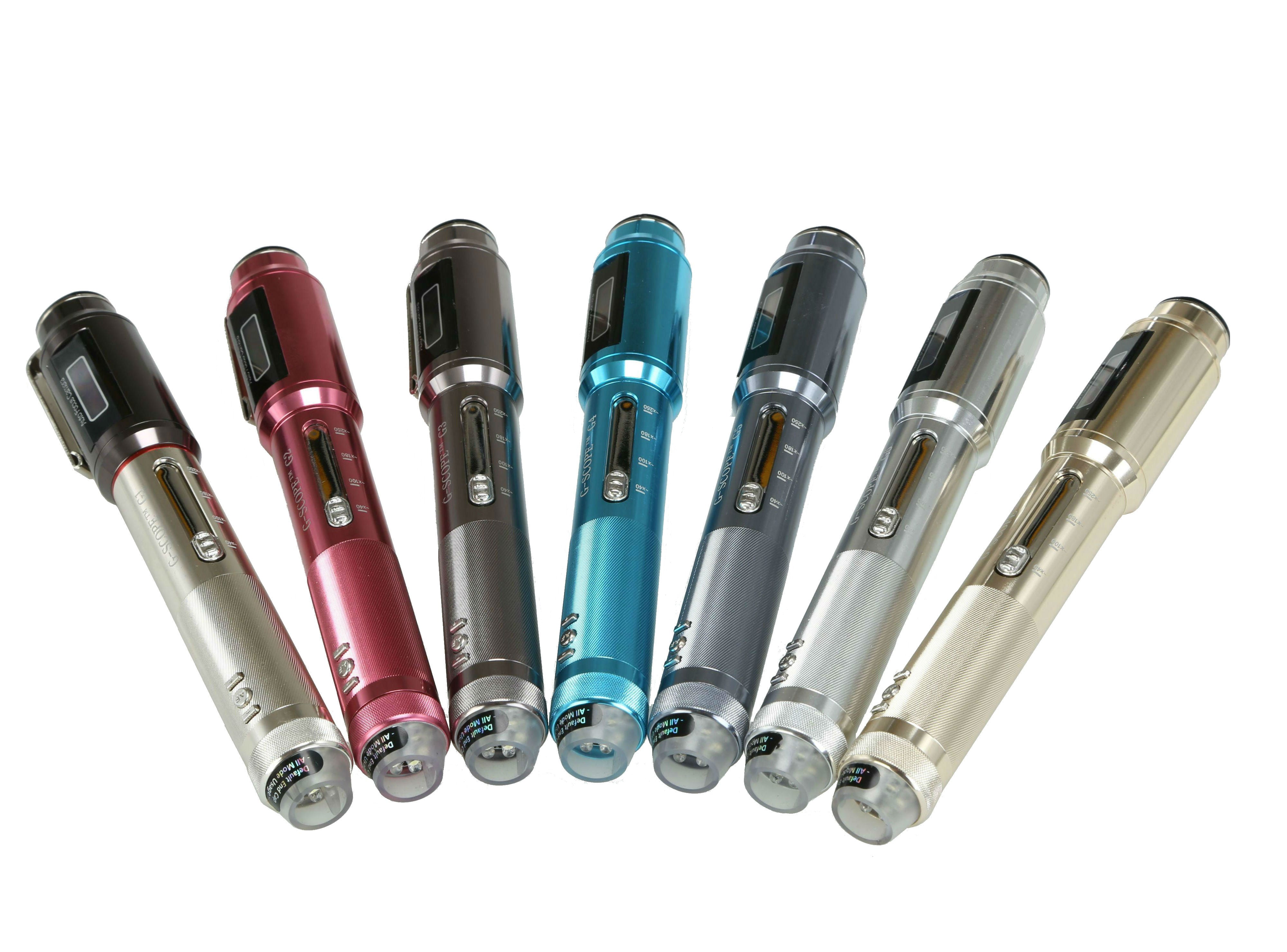
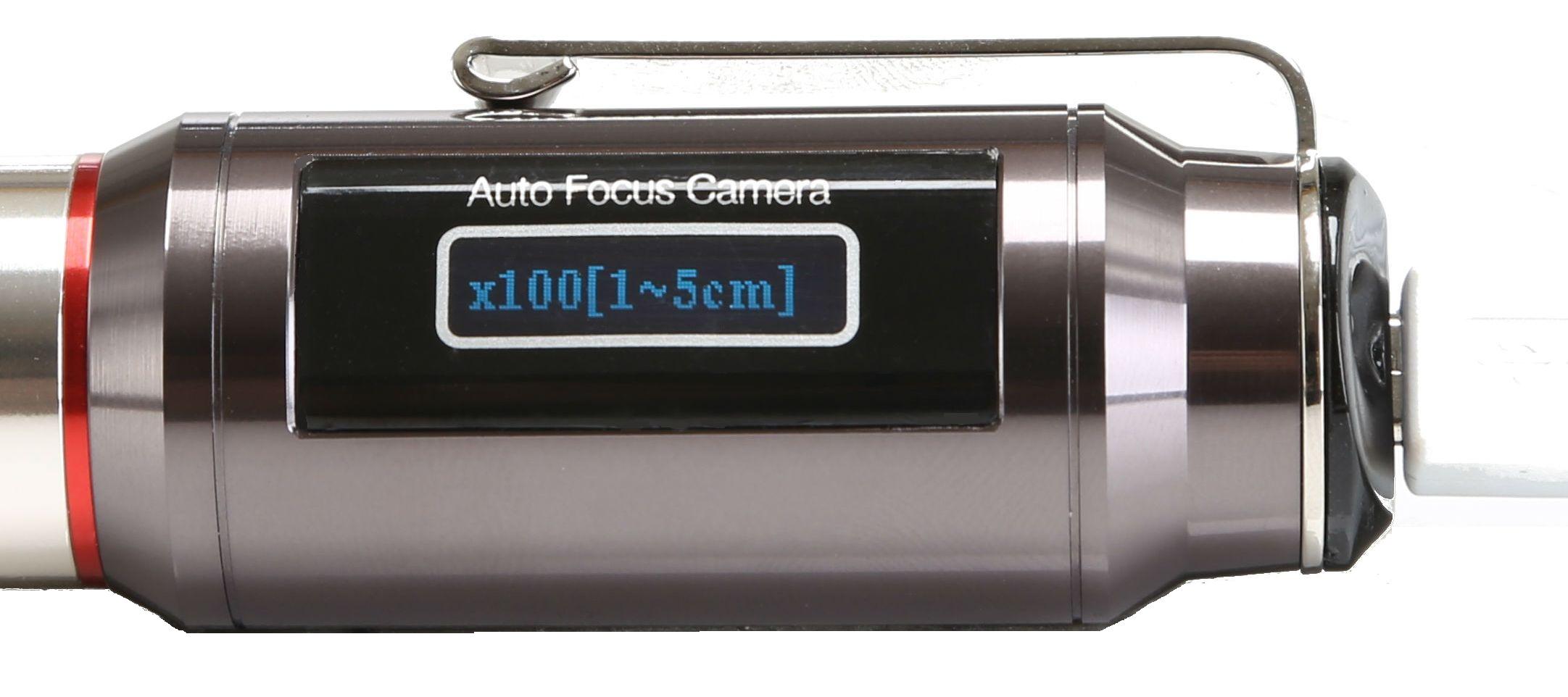
- Four quick magnification levels40x, 100x, 180x and 250x with the general inspection end-cap
- 3Pi narrow-tip end-cap100x access to small or recessed areas that remain in direct line of sight
- Quality optics, autofocus + Full HDCorning® Varioptic® liquid lens, photos and 30fps video
- Professional European supportShips from Spain with a two-year warranty
Overview
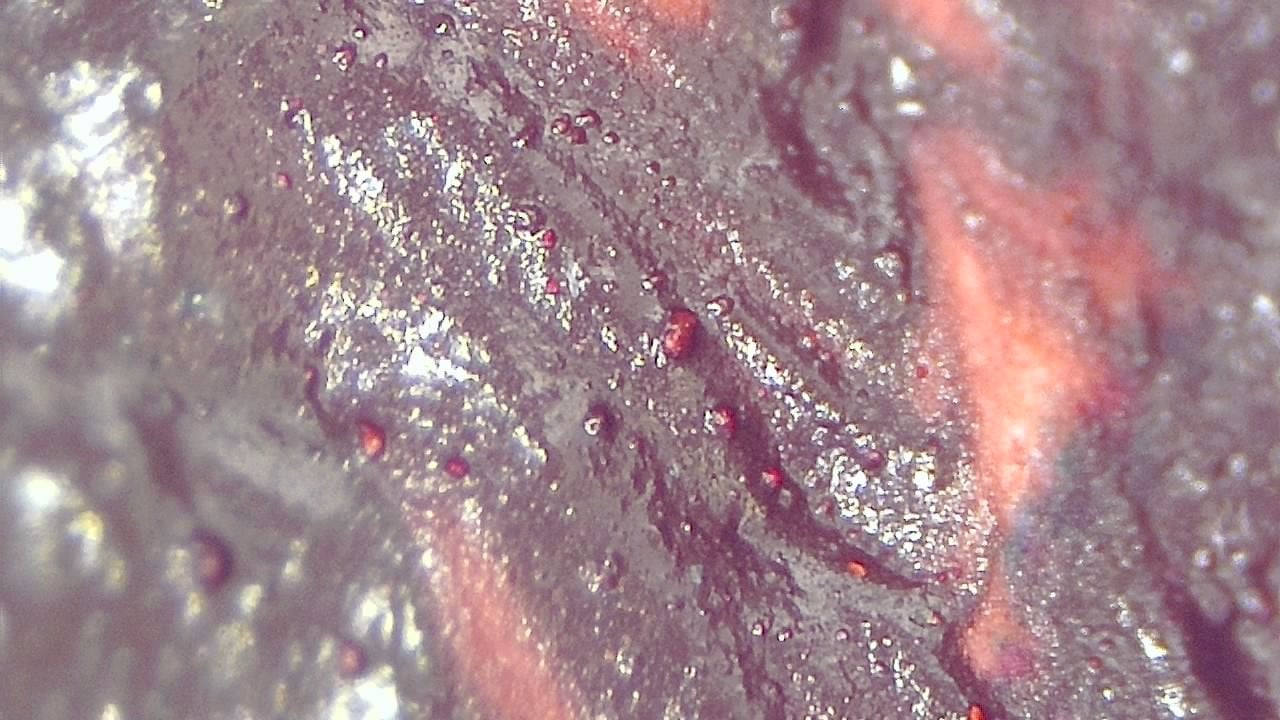
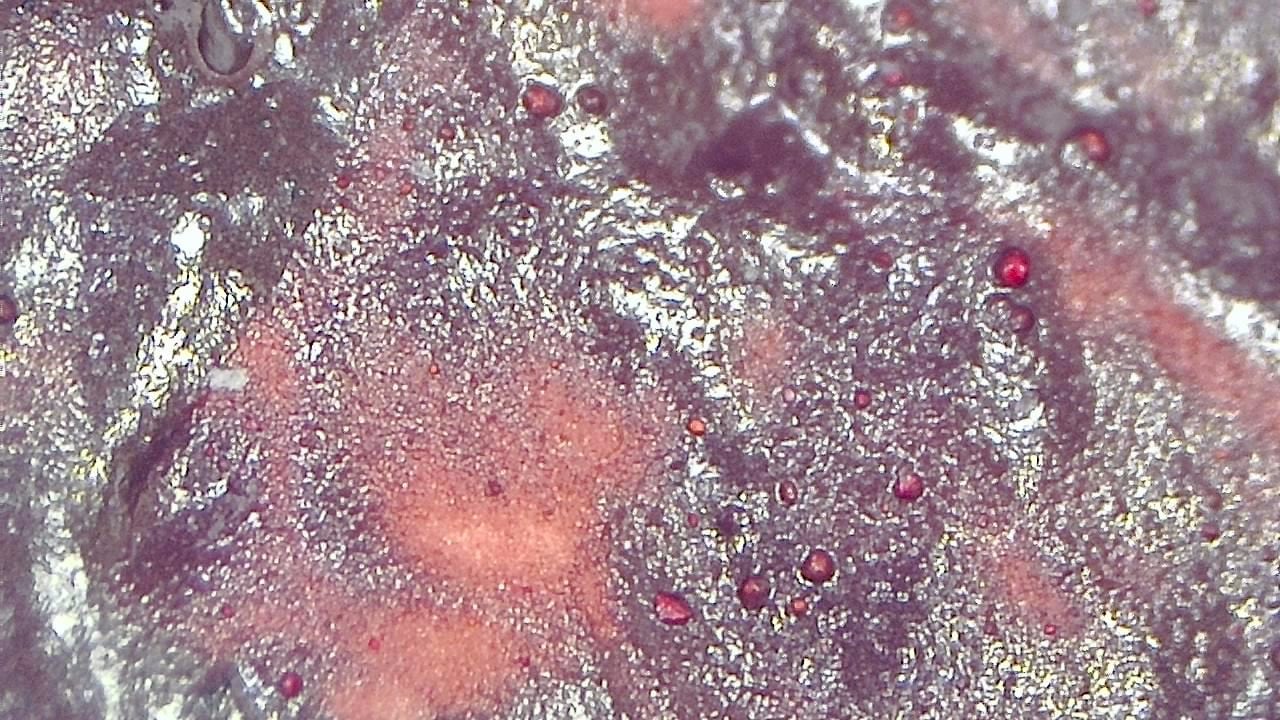
Smart G-Scope enables the observation of craquelure, paint texture, canvas fibers, and small defects without bulky equipment.
It is useful to document condition before and after interventions, and to create conservation reports with clear visual evidence.
Lighting control and stand stability help produce consistent images for comparison and monitoring.
Recommended Smart G-Scope setup
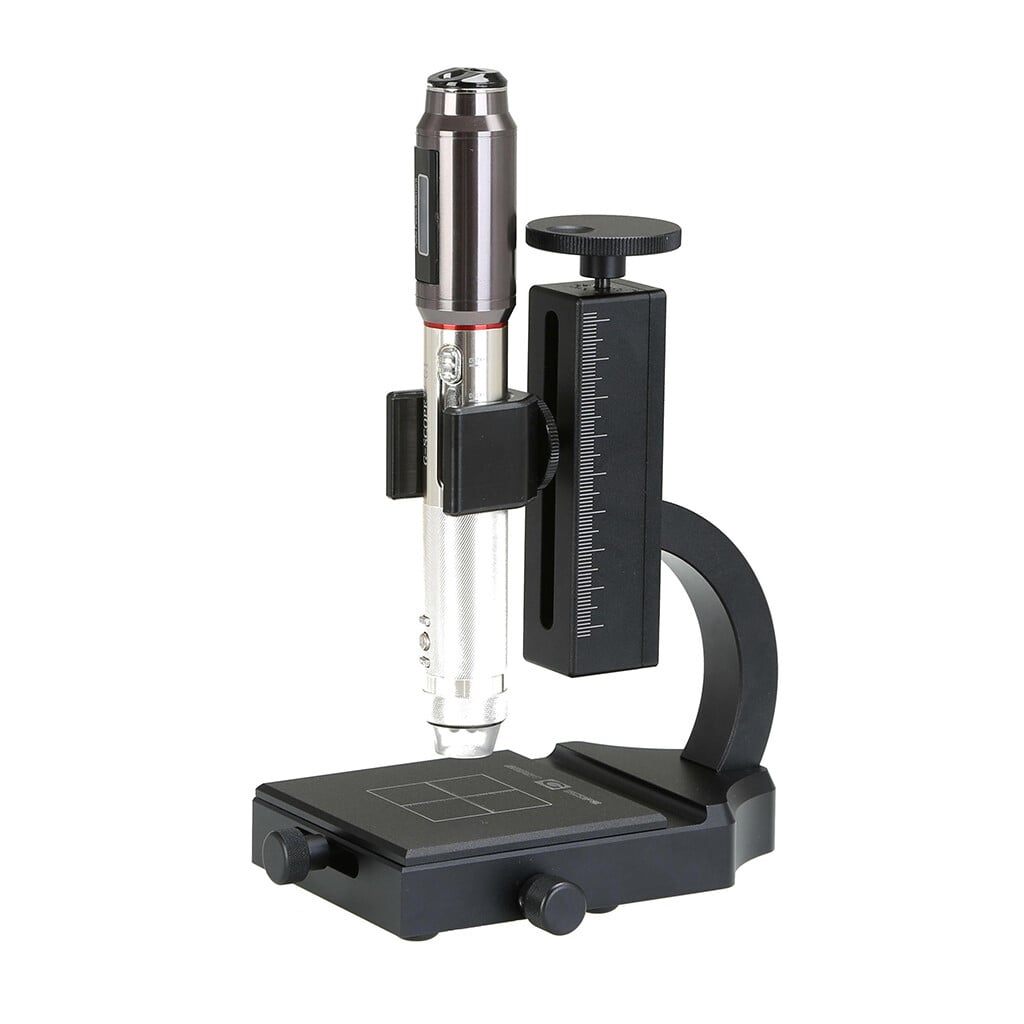
- Use a stand and controlled lighting for consistent condition documentation.
- Capture overview and detail images before, during, and after intervention.
- Adjust light angle to reduce glare from varnish, coatings, or polished surfaces.
What you can observe
- Craquelure, cracks, paint texture, coating defects, fibers, surface dirt, and small losses.
- Before/after documentation for conservation reports.
- Surface details on paintings, objects, paper, textiles, and heritage materials.
Typical workflow
- 1Document the object condition before any intervention.
- 2Capture close-ups of representative areas with notes and location references.
- 3Repeat the same image positions after cleaning or restoration steps.
Key benefits
- Before/after documentation of interventions
- Magnified documentation of accessible surface details
- Supports conservation reporting
- Portable tool for studio or museum work
Best for
- Conservation studios, museums, restoration training, object documentation, and field visits.
Not ideal for
- Replacing chemical pigment identification, SEM/EDS, spectroscopy, or other analytical techniques.
Image gallery
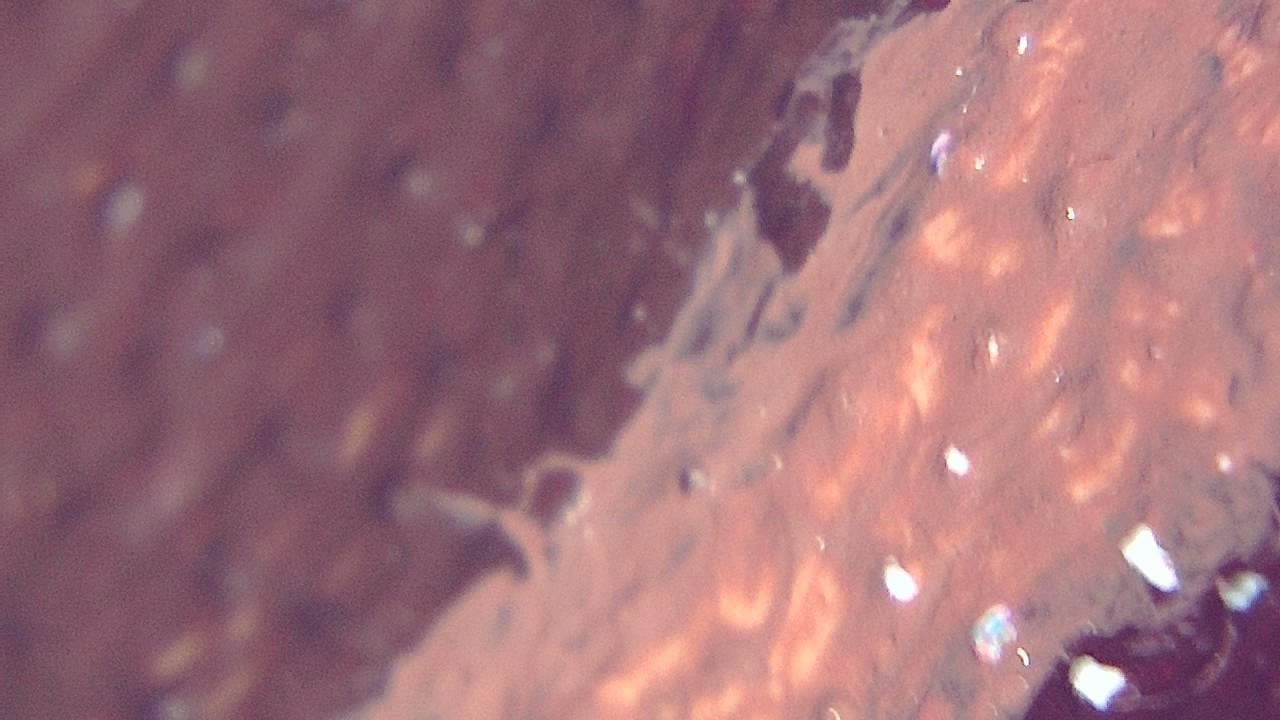
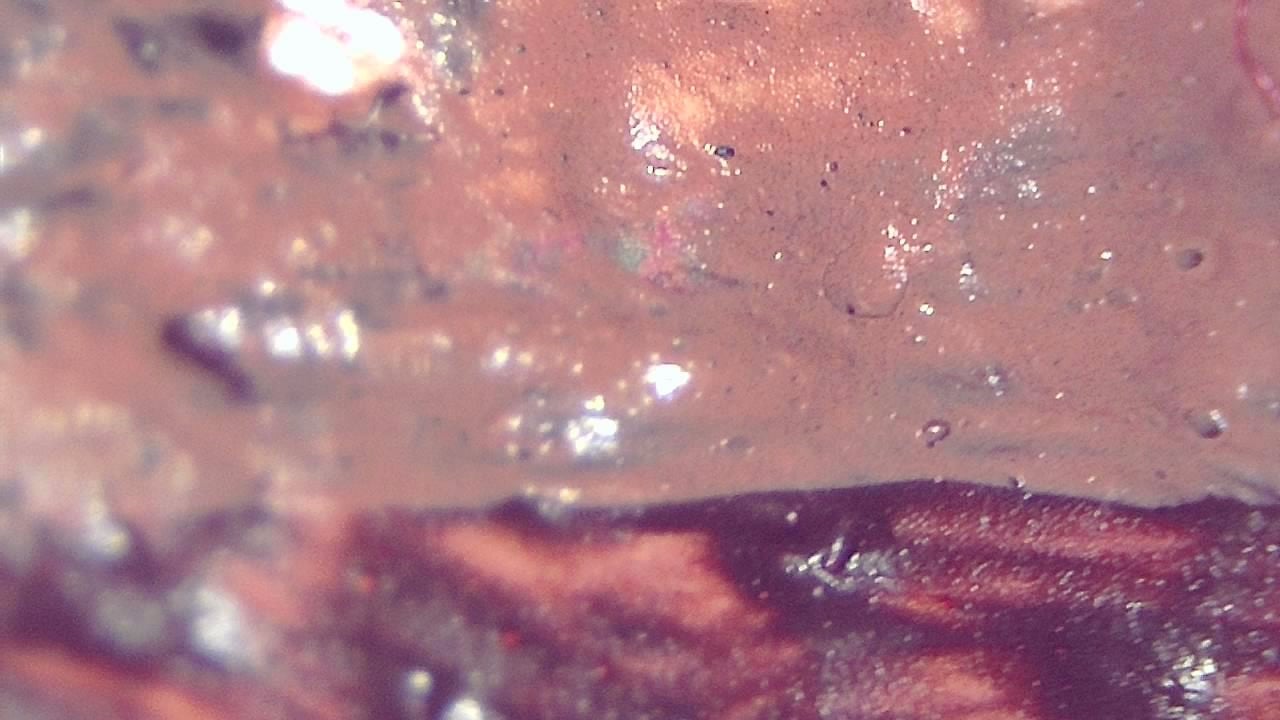
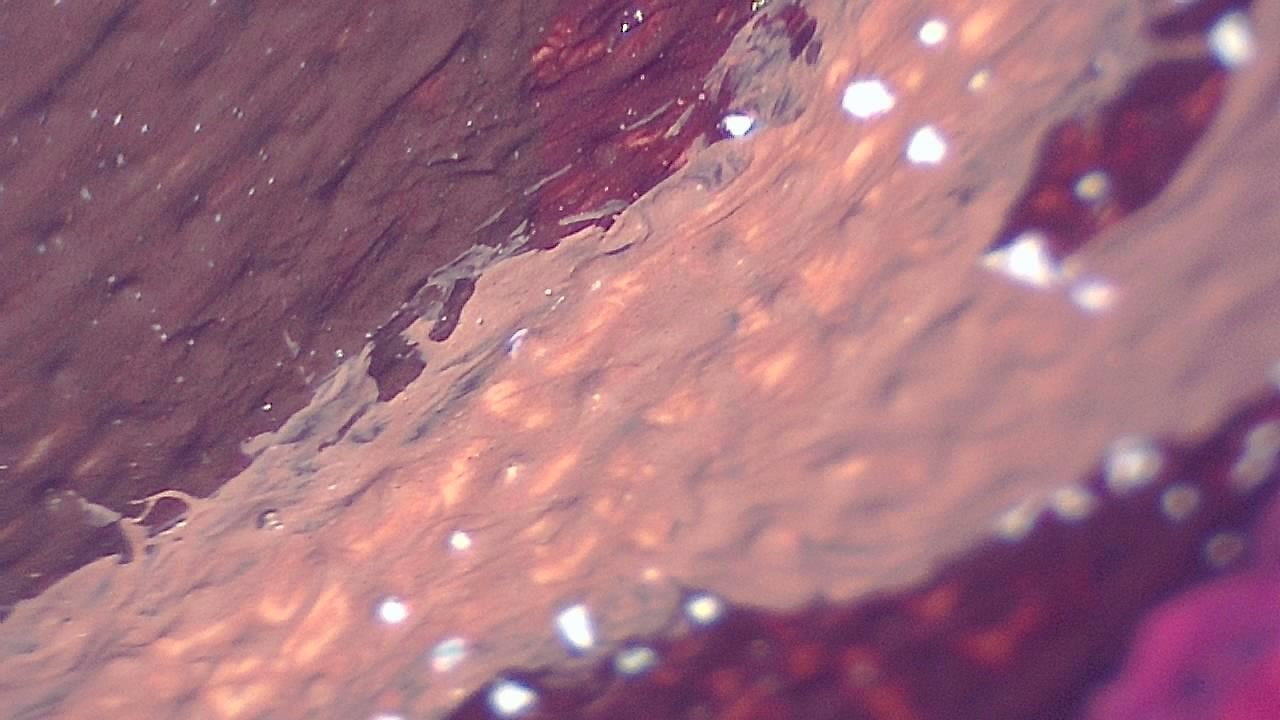
Click any image to enlarge
Practical examples
Craquelure analysis
Document visible craquelure patterns, fine surface cracks, and altered areas for a conservator’s assessment.
Support and fiber study
Examine canvas weave or support fibers to assess damage or previous restoration.
Report documentation
Capture detailed images to justify processes and record condition changes over time.
Limitations & best practices
- It does not replace advanced analytical techniques when exact pigment chemistry identification is required.
- Varnished glossy surfaces may require lighting adjustments to minimize glare.
Frequently asked questions
Is the inspection non-invasive?
Smart G-Scope supports non-invasive visual observation when used without sampling or contact that could damage the object. Handling should follow conservation procedures.